
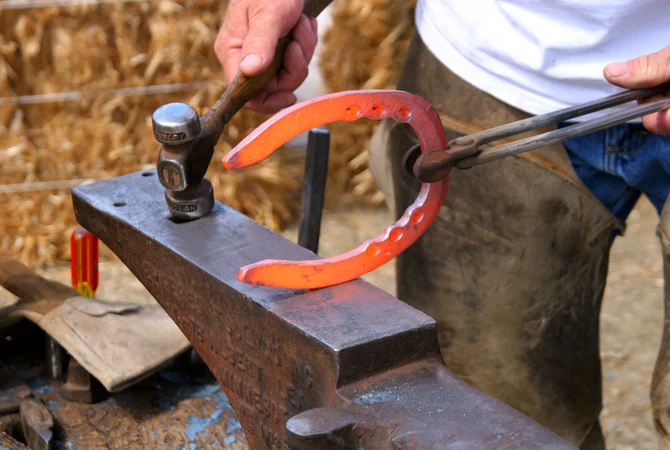
Horseshoes can provide protection, traction, or support when a horse needs them. Some horses do well barefoot. The decision depends on the individual horse—not simply its breed.
Why do horses wear shoes?
A horseshoe is one part of a hoof-care plan. A horse’s workload and the surfaces it travels over may create more wear than the hoof can comfortably manage. In other cases, the care team may recommend a particular shoe to address an individual support need.
The useful question is not whether shoes are always better. It is whether the horse in front of you benefits from them. Discuss your horse’s daily environment, discipline, and recent history with your farrier.
What are horseshoes made of?
Steel and aluminum are familiar options, and composite materials are also available. Different materials have different properties. A farrier considers those differences alongside the horse’s needs, the intended use, and the rest of the shoeing plan.
Tylor offers steel, aluminum, and composite shoes, as well as specialty options such as glue-ons. A shoe should be chosen and fitted for the individual case.
Hot shoeing and cold shoeing
These terms describe approaches used when shaping and fitting shoes. Tylor provides both hot and cold shoeing. Ask about the method being recommended and how it fits your horse’s situation.
Other options—such as pads, pour-ins, or traction devices—may be part of a particular plan. They are tools for specific needs, rather than automatic additions for every horse.
Does shoeing hurt?
Correctly placed shoeing nails pass through the insensitive hoof wall. Pain or distress should never be dismissed as normal. If your horse is uncomfortable during or after shoeing, tell your farrier and involve your veterinarian when needed.
When should shoes be checked or replaced?
A shoe can still look usable while the hoof has grown and the fit has changed. Regular appointments allow the farrier to assess both the foot and the shoe. Ask your farrier whether a shoe can be reset or needs replacing; visible wear alone does not tell the full story.
If a shoe becomes loose, twisted, or lost, contact your farrier for advice. Do not wait for the calendar to catch up if your horse is showing discomfort.
Could my horse go barefoot?
Possibly. Some horses are comfortable without shoes, while others benefit from protection or support. Barefoot care still involves regular trimming and attention between visits.
Before changing the routine, discuss the transition with your farrier. Footing, workload, hoof condition, and any veterinary considerations belong in that conversation.
Start with your horse’s needs.
Explore Tylor’s farrier services or request a visit to discuss shoeing and barefoot options.
General educational information from Tylor James Farrier Service. Care should be individualized with your farrier and veterinarian.
Further reading: University of Minnesota Extension: Caring for your horse’s hooves.